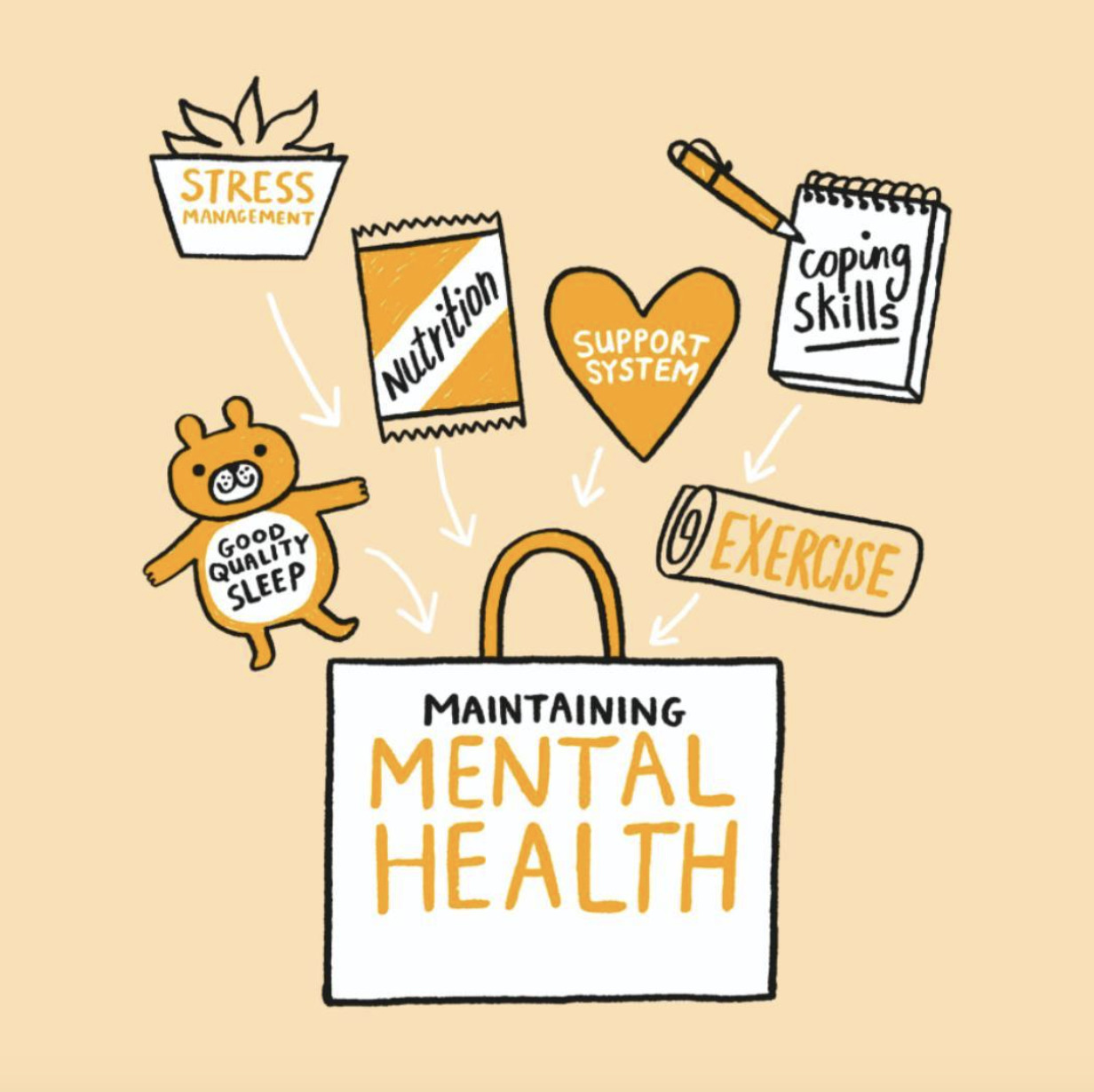
College students are in the middle of a mental health crisis.
A recent study published in January 2024 in the Journal of Addiction & Offender Counseling revealed that college students are resistant to using the new suicide crisis hotline that was launched in the United States two years ago. By dialing 988, you're immediately connected to a licensed professional to help.
While the line was originally made to help those with substance abuse issues, it has grown to include mental health struggles.
However, 8.2 million adults aged 18-25 (which is primarily the age of college students) meet the criteria for substance abuse disorder. Research has linked substance abuse to depression and suicidal thoughts, but college students are unlikely to ask for help with these issues.
So how can you reach out for help when you're in crisis?
Confide In Trusted Friends, Family & Loved Ones
A post shared by Mental Health America (@mentalhealthamerica)
This one might seem like a given, but knowing who your confidants are is important. This is highly sensitive and personal information. You want to relay it to people you trust 100% and will be able to support you best. Whether you decide to tell your close friends, family members, or a medical professional, letting someone know you're struggling is the important part.
Even if your loved ones aren't sure how to support you best, you know they'll at the very least try to ensure you get the proper help required. Then you can start taking the proper steps towards recovery.
Try To Go Into The Conversation Prepared
A post shared by Mental Health America (@mentalhealthamerica)
A conversation like this can be daunting for all parties involved. You're likely afraid to say anything in the first place. The person receiving this information might feel scared or alarmed, especially if they didn't know you were struggling. Naturally, a lot of different emotions are capable of boiling over.
Going into the conversation prepared will help everyone. Have a general idea of what you want to say. You can only plan so much, but knowing when you're going to bring this up and how will help you feel better about broaching the subject in the first place.
And remember, it's not your job to regulate anyone else's emotions or responses. If the person you tell this to isn't making you feel safer about sharing, disengage immediately.
Don't Be Afraid To Have The Conversation
A post shared by Mental Health America (@mentalhealthamerica)
As someone who has struggled with depression and suicidal thoughts before, I know how terrifying it can be to tell someone you love how much pain you're in. It's easy to feel like a burden or that it's not worth bringing up.
Let me emphasize this: talk to someone.
The people who love you unconditionally want to help, and you will never feel like a burden to them. I struggled with this idea for years, always assuming people who abandon me when I started to become "too much."
None of the people I trusted with this information left me. They stuck by my side, and they're still there, and I know they always will be there. And I feel the exact same way about them.
If you or someone you know is struggling with mental health, call or text 988 or chat online at 988lifeline.org. Need more advice? Read our ultimate guide to student life and wellbeing.
Unlock even more with Student Beans
All your favourite brands at your fingertips, from fashion and beauty to food and drink, available to college and uni students aged 16 and over. Dive into our blog to find tips and advice to help you navigate student life, from applying to college to life after graduation.
- Sign up for a Student Beans account or log in to start saving on the biggest and best brands.
- Download the Student Beans app to unlock exclusive app-only discounts.