Glasgow is the best-placed city in Britain for getting out of it. A national park is 50 minutes away by train, a castle is 29 minutes away, and the capital is under an hour.
Before you plan anything, though, there's one thing worth checking: if you're under 22 and live in Scotland, your bus travel is free. Anywhere in Scotland, local or long-distance, with no restrictions on when you travel. That turns a lot of these day trips into a £0 day out.
Here's how it works, and where to go.
Key Facts
Free bus travel: anyone aged 5–21 resident in Scotland, regardless of nationality
Balloch (Loch Lomond): 50 minutes from Glasgow Queen Street
Stirling: 29 minutes from Glasgow Queen Street
What you need: a National Entitlement Card, applied for yourself if you're 16–21
Jump to:
First, Check If Your Bus Travel Is Free
The Young Persons' (Under 22s) Free Bus Travel Scheme is the single most useful thing a Glasgow student can know about, and a surprising number don't.
If you're aged 5 to 21 and living in Scotland, you're eligible — regardless of nationality. The usual test is living in Scotland for at least six months of the year, which most students at Glasgow, Strathclyde, Caledonian and GSA will meet, including those from elsewhere in the UK and international students.
What it covers: free travel on registered local and long-distance bus services anywhere in Scotland, with no restrictions on when you can travel.
What you need: a National Entitlement Card (NEC) or Young Scot NEC with the free bus travel product on it. If you already have an older card, you'll need a replacement with the right chip. If you're 16–21, you apply yourself through mygov.scot.
What it doesn't cover: premium-fare night buses, city sightseeing and tour buses, some airport transfers, and ferries. There's limited cross-border use — you can reach Carlisle or Berwick-upon-Tweed, but not travel around within them.
If you're 22 or over, you're paying, so the train comparisons below matter more.
Loch Lomond And Balloch

The obvious one, and deservedly so. Balloch sits at the southern end of Loch Lomond, 50 minutes by direct train from Glasgow Queen Street, and an Off-Peak Day Return has been running at around £7.40.
Balloch is the end of the line, so there's no risk of missing your stop.
What to do when you get there:
Balloch Castle Country Park — 200 acres of woodland, gardens and nature trails with a 19th-century country house and views over the loch. Free, and a short walk from the station.
Loch Lomond Shores — cafés, a farmers' market on the first and third Sunday of the month, and the easiest loch views.
Boat trips — Sweeney's Cruises run from Balloch. Not free, but the loch is better from the water.
Kayak and paddleboard hire at Balloch if the weather holds.
Sit on the left heading north out of Queen Street. The loch views are on that side.
Trains also run further up the loch to Arrochar & Tarbet, if you want the northern end and better hills.
Stirling

29 minutes on a direct ScotRail train from Glasgow Queen Street, and the station is right in the city centre, so you don't need any onward transport.
Stirling Castle — one of the great Scottish castles, ticketed
The National Wallace Monument — climb it for a view over the site of the 1297 Battle of Stirling Bridge
The medieval old town — free to walk, and the best part of the day
The Battle of Bannockburn visitor centre
Fair warning: Stirling is steep. Wear something sensible on your feet.
Luss And The Trossachs
@sallysparksx come with me to Luss, Loch Lomond on the bus from Glasgow! 🌊 I always love a wee day here people watching, having a picnic & a dip! 🫶🏽 #scotland #lochlomond #glasgow #glasgowtiktok #capcut ♬ Suddenly I See by KT Tunstall - Дхулайаскулчай Ендха @Муска
Luss is the postcard village on Loch Lomond's western shore, a designated conservation village of 19th-century stone cottages built for local workers. It's reachable by direct coach from Glasgow — which, if you're under 22 with your NEC, costs you nothing.
Further inland, Loch Katrine runs cruises on the Victorian steamship Sir Walter Scott from late March to late October, from around £13. The Trossachs also have walking trails at every difficulty, and the whole area sits inside Loch Lomond and the Trossachs National Park.
For threading bus routes together inside the park, the Traveline Scotland journey planner is the practical tool.
Edinburgh And The Isle Of Arran
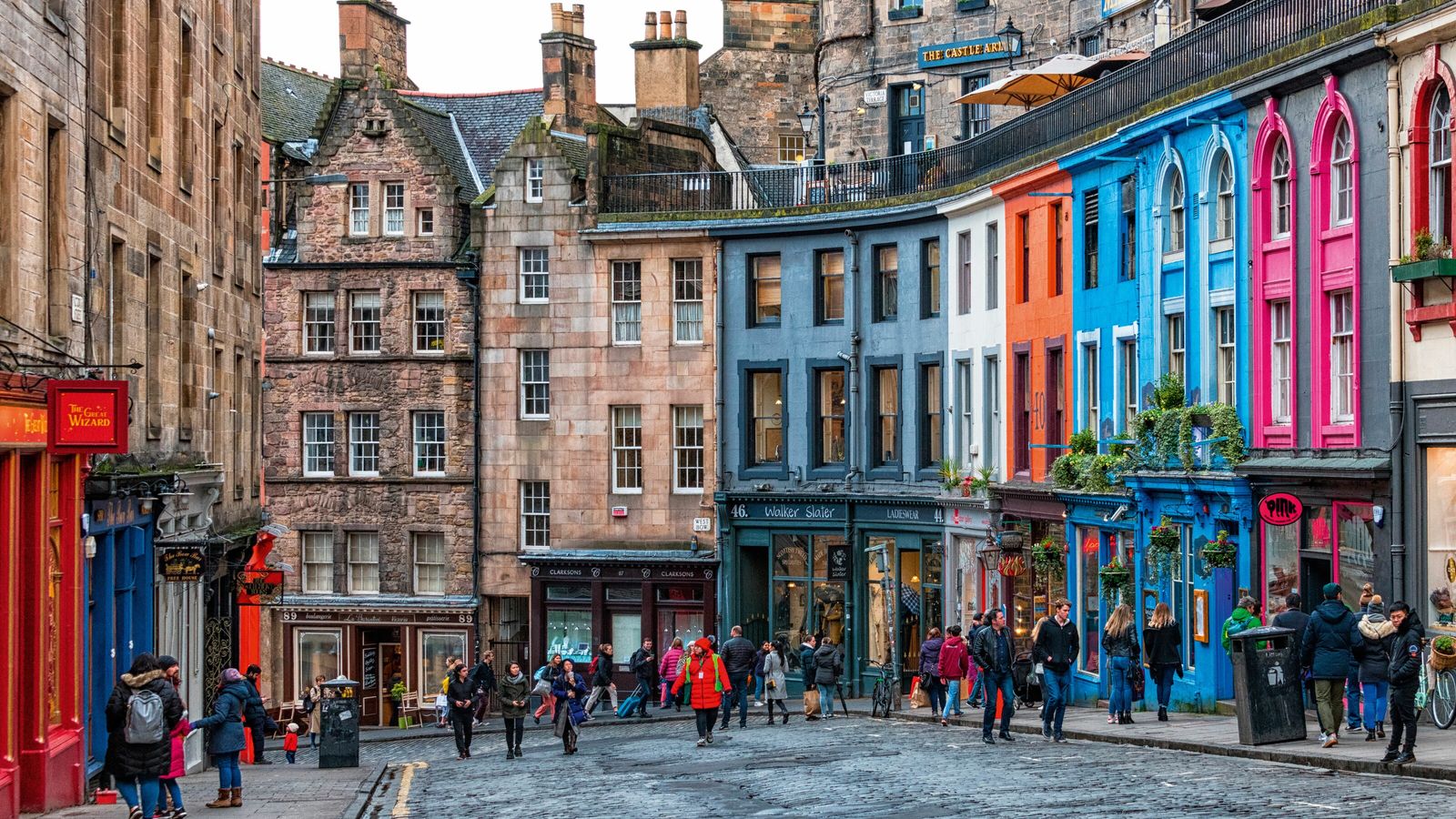
Edinburgh is under an hour by train and needs no introduction. Worth doing on a weekday if you can, since weekends are heaving.
The Isle of Arran is the ambitious one — just over two hours door to door, by train to Ardrossan Harbour then ferry to Brodick. Note that the free bus scheme doesn't cover ferries, so budget for that leg. It's the most rewarding day on this list if the weather cooperates, and genuinely feels like the Highlands for a fraction of the travel time.
Top Tips For Day Trips From Glasgow
Apply for your NEC before term starts. If you're under 22 it makes bus travel across the whole of Scotland free, and the card takes time to arrive.
Check bus before train. If you're eligible, the bus is £0 and the train isn't. It's slower, but the saving is total.
Balloch is the easy win. 50 minutes, end of the line, and a national park at the other end.
Stirling is the best value castle day. Half an hour each way, and the old town costs nothing.
Sit on the left going north. Best loch views out of Queen Street.
Ferries aren't covered. Arran and Bute both need a ferry fare on top.
Get a railcard if you're over 22. If the free bus scheme doesn't apply to you, a 16–25 or 26–30 Railcard pays for itself quickly on these routes.
Unlock even more with Student Beans
All your favourite brands at your fingertips, from fashion and beauty to food and drink, available to college and uni students aged 16 and over. Dive into our blog to find tips and advice to help you navigate student life, from applying to uni to life after graduation.
- Sign up for a Student Beans account or log in to start saving on the biggest and best brands.
- Download the Student Beans app to unlock exclusive app-only discounts.